
Unfinished Concrete Given Intentional Appearance
Basement Floor Coatings in Trafalgar for recreation rooms, utility areas, and finished basements with bare or worn concrete
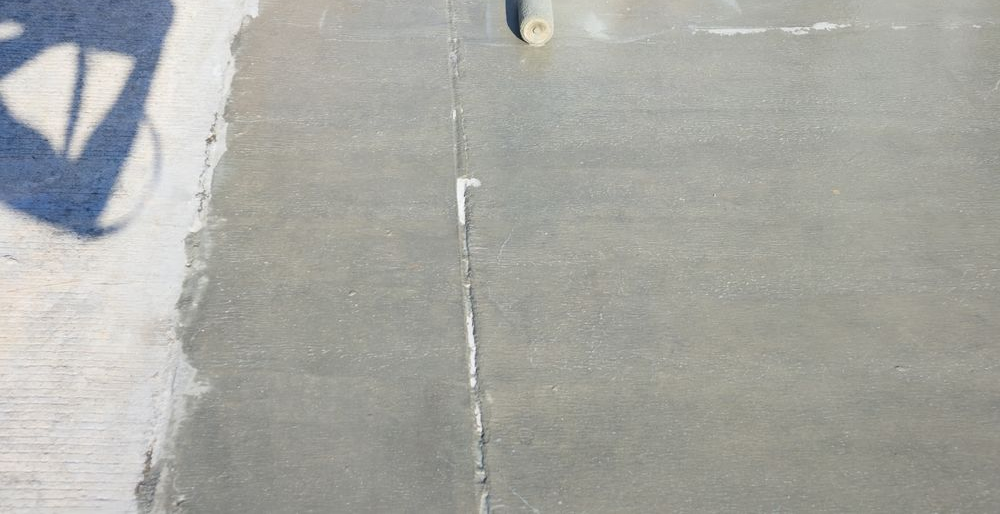
Unfinished basement slabs show a mottled gray surface marked by trowel lines, minor surface cracking, and uneven coloration that makes the space feel incomplete even after walls and ceilings are finished. A professionally applied floor coating changes how the basement reads visually—the concrete takes on a uniform color and sheen that integrates with surrounding finishes rather than detracting from them. Showtime Pro LLC installs these systems in Trafalgar and nearby Johnson County communities for homeowners converting basements into recreation rooms, home gyms, workshops, and finished living areas where the slab will remain the final floor surface.
Each installation begins with a slab evaluation to confirm the concrete is suitable for coating and to identify any moisture issues that could compromise adhesion. Surface preparation follows the same mechanical process used for garage floors—the slab is ground or shot-blasted to open the pores, contaminants are removed, and cracks that could telegraph through the coating are filled with flexible compounds. The coating system is then applied in layers, and the topcoat is selected based on whether the space will see furniture, foot traffic, or stored equipment.
Set up an evaluation to review your basement slab and discuss finish options suited to how you plan to use the space.
Coating installation transforms the basement slab from a porous, stain-prone surface into a sealed system that resists common basement moisture and simplifies cleaning. The multi-layer process includes a primer that penetrates and seals the concrete, a pigmented base coat that provides the finished color, optional decorative flakes for texture and slip resistance, and a clear topcoat that protects the system from wear and light chemical exposure.
You will notice that dust no longer rises from the floor when furniture is moved, and spills from drinks, paint, or cleaning solutions sit on the surface rather than soaking into the concrete and leaving permanent marks. The sealed coating also reflects artificial lighting more effectively than bare concrete, which changes how the basement feels during evening use. Routine maintenance involves sweeping or vacuuming to remove tracked-in dirt and occasional damp mopping when needed, without the need for waxing or periodic resealing.
Coatings address the surface appearance and provide a moisture-resistant barrier, but they do not replace proper basement waterproofing or correct active water intrusion. If your basement experiences standing water, foundation leaks, or continuous dampness, those issues must be resolved before a floor coating is installed, or the system may delaminate due to hydrostatic pressure pushing moisture up through the slab.
What Property Owners Usually Ask
Homeowners finishing basements often need clarity on how coatings interact with moisture and what preparation is required before installation.
What happens if the basement slab has existing moisture?
A moisture test is performed using a calcium chloride kit or plastic sheet method to measure vapor transmission—if moisture levels exceed the coating system's tolerance, a vapor barrier primer or alternative flooring solution may be required before proceeding.
How do basement coatings differ from garage floor coatings?
The primary difference lies in topcoat selection and thickness—basement coatings often use a thinner system since the floor does not see vehicle traffic, hot tire pickup, or the same chemical exposure common in garages.
Why does concrete color vary across a basement floor?
Basement slabs are often poured in multiple stages or with slight variations in mix design, and curing conditions differ depending on ventilation and ambient humidity—the coating provides a uniform color layer that masks these underlying inconsistencies.
When is a basement floor not suitable for coating?
If the slab has active efflorescence, significant spalling, or structural cracks indicating foundation movement, those conditions must be addressed first—coatings bond only as well as the concrete substrate they are applied to.
What should Trafalgar homeowners know about basement humidity and coating performance?
Indiana's seasonal humidity fluctuations mean basements can experience elevated moisture during spring and summer, so proper dehumidification and ventilation help the coating cure correctly and reduce long-term moisture-related stress on the system.
Showtime Pro LLC is licensed and insured and evaluates basement slabs for coating suitability, completes surface preparation, and installs systems tailored to residential use. Contact the team to request a free estimate and confirm your basement floor is ready for a coating system.