
Preparation That Stops Cracks From Showing
Concrete Crack Repair in Trafalgar for garages, basements, shops, and commercial floors before coating installation
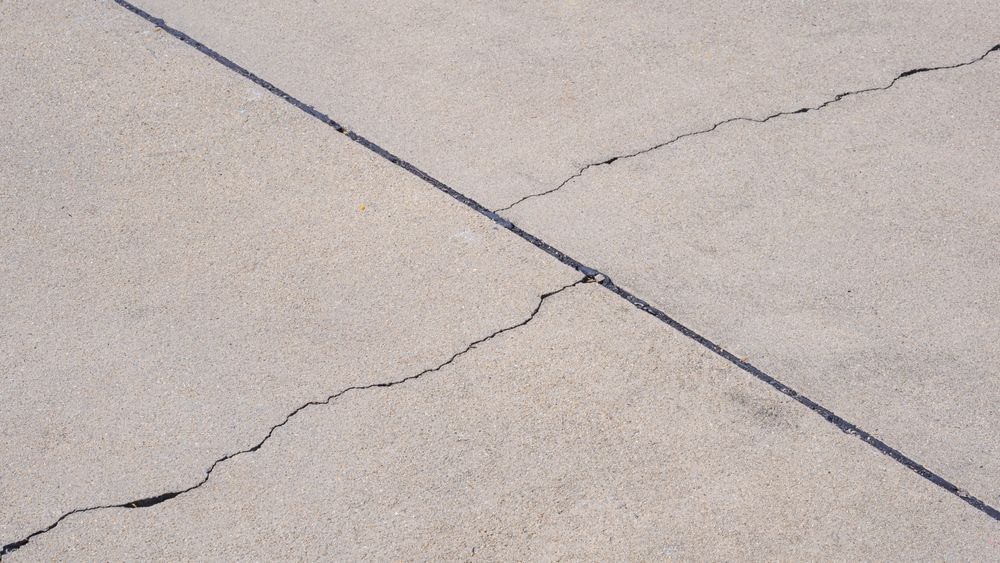
Cracks in garage, basement, shop, and commercial concrete should be evaluated before any new coating or flooring finish is installed. Showtime Pro LLC performs concrete crack repair as part of the preparation process, filling visible cracks with flexible material to prevent them from telegraphing through the coating and creating visible lines in the finished floor. Slab movement and underlying substrate conditions vary across properties, so repaired cracks are not guaranteed never to return—repair addresses the visible crack and prepares the surface for coating, but it does not eliminate the forces that caused the crack originally.
Crack repair begins with evaluation of crack width, depth, pattern, and cause—settlement cracks, shrinkage cracks, and structural movement cracks require different assessment and repair approaches. Cracks are routed or widened to create clean edges, vacuumed to remove debris, and filled with epoxy or polyurea filler materials that flex with minor slab movement rather than breaking loose. The repair creates a smoother surface for coating adhesion and prevents the crack from showing through the finish coat as a visible defect.
Arrange an on-site consultation to review your concrete condition and identify applicable crack repair before coating installation.
Crack assessment identifies whether the crack is active or dormant, wide or hairline, isolated or part of a larger pattern—each factor affects the repair method and material used. Structural cracks caused by foundation settlement or ongoing movement may require engineering evaluation before cosmetic repair, while shrinkage and surface cracks can be filled during standard coating preparation. Cracks wider than one-eighth inch are typically routed with a diamond blade to create a clean, uniform channel for filler material, while hairline cracks may receive topical crack chase routing or injection depending on coating system and visibility concerns.
After repair material cures and the coating is applied, you no longer see the crack line running through the finished floor—the surface appears smooth and continuous rather than fractured. The repair does not stop the underlying slab from moving if settlement, soil conditions, or structural issues continue, so new cracks can appear or old cracks can reopen depending on what caused them initially. Proper crack repair improves appearance and coating adhesion but does not function as a structural fix for slab instability or foundation problems.
Crack repair is included in the overall preparation process for garage floors, basement floors, shop floors, commercial spaces, and other suitable concrete surfaces before coating installation. Some minor surface cracks may not require routing if the coating system is thick enough to bridge them, while others need full-depth filling to prevent coating failure or visible defects.
Common Questions About This Service
Property owners in Trafalgar often ask about crack repair methods, why cracks form, and whether repaired cracks will return before moving forward with coating projects.
What causes concrete cracks in garages, basements, and shop floors?
Concrete shrinks as it cures, settlement occurs when soil beneath the slab compresses unevenly, and structural movement from foundation issues or temperature cycling can all create visible cracks, with cause varying by property and slab age.
How is crack routing performed before filler application?
A diamond blade saw or grinder cuts a clean, uniform channel along the crack line, typically one-quarter to one-half inch deep, which is then vacuumed to remove dust and debris before flexible epoxy or polyurea filler is applied into the prepared channel.
Why does crack repair not guarantee the crack will never return?
Repair fills the visible crack and prepares the surface for coating, but it does not eliminate underlying slab movement, soil settlement, or structural issues that caused the crack initially, so active movement can reopen old cracks or create new ones.
What happens if cracks are not repaired before coating installation?
Cracks telegraph through thin coatings as visible lines, and coating can debond along crack edges if the slab continues to move, creating a weaker installation and less attractive finished appearance.
When should structural evaluation happen instead of cosmetic crack repair?
Wide cracks with vertical displacement, cracks that continue to widen, or patterns indicating ongoing foundation movement may require engineering assessment before cosmetic repair, as coating over active structural issues does not address the underlying problem.
Showtime Pro LLC is a family-owned, licensed, and insured business providing careful concrete assessment and crack repair as part of professional coating preparation. Request a free estimate to evaluate your floor and discuss repair requirements before coating installation.